Case Study
Axial Flux Machine Development
Design, prototyping, testing, and validation of a high-performance axial flux traction motor
Get in Touch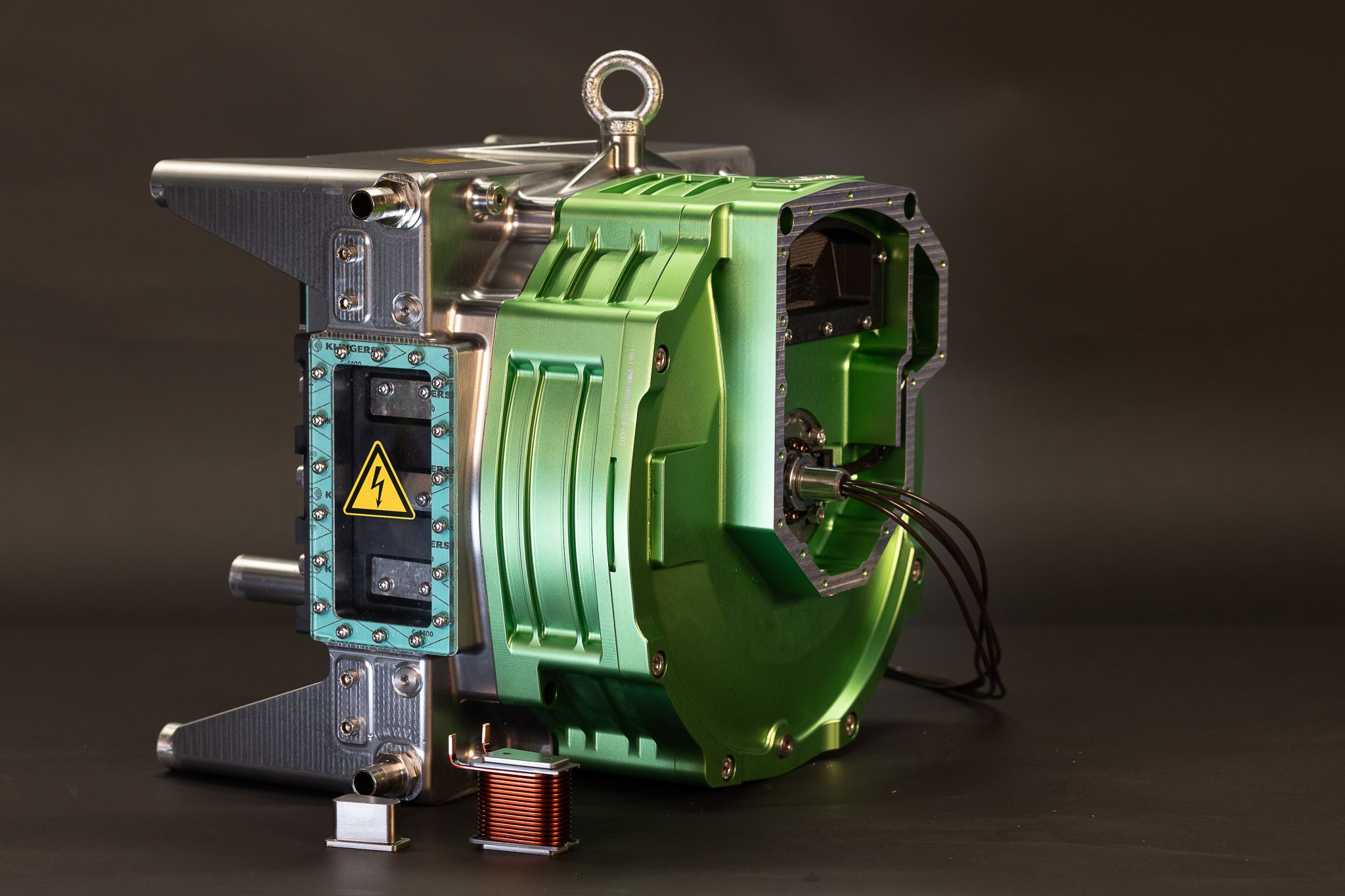
Design, prototyping, testing, and validation of a high-performance axial flux traction motor
Get in TouchAxial flux machines are often discussed for their potential in compact, high-torque-density electric propulsion systems. But turning an axial flux concept into a working automotive traction machine requires more than a promising electromagnetic design. It requires mechanical robustness, thermal control, manufacturability, assembly strategy, material understanding, and validation under real operating conditions.
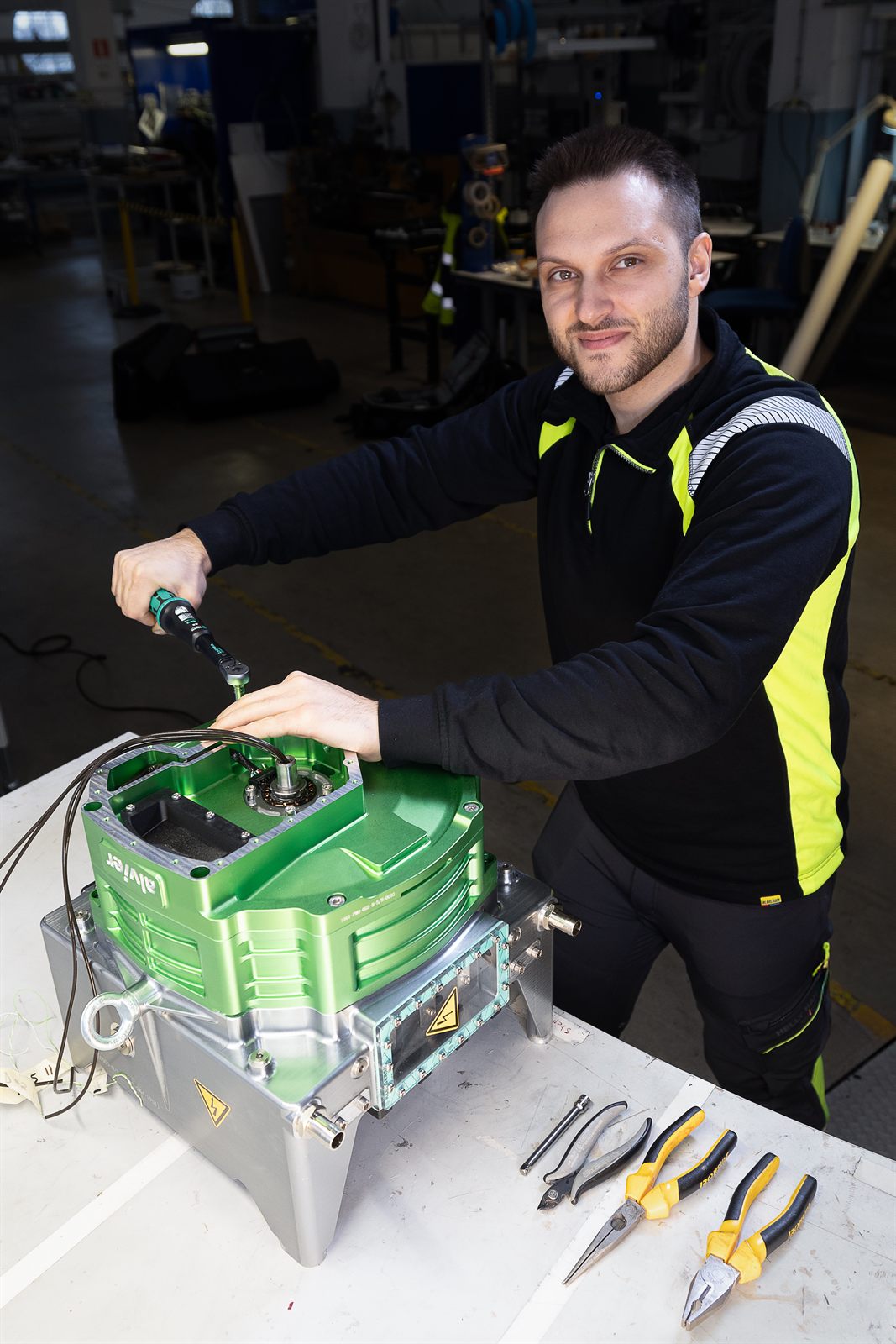
That was the purpose behind iDS AX, Alvier's Axial Flux Motor, that focused on building hands-on capability in axial flux machine development and demonstrating what is required to move from simulation to physical hardware. The project was started to explore the benefits of using soft magnetic composite, or SMC, in axial flux automotive traction machines, while also developing Alvier's ability to simulate, design, build, and test this type of machine.
Axial flux machines can offer higher torque density and shorter axial length compared with radial flux alternatives, but they also introduce engineering challenges that quickly become practical rather than theoretical. The journey from an electromagnetic concept to a functional machine involves design and manufacturing challenges across:
The complete drive-unit target was a 400 VDC, 150 kW system with 3000 Nm peak torque at the drive-unit level. The electrical machine itself was specified as a 400 VDC, 150 kW axial flux machine with 440 Nm peak torque, 25 kg weight, 9000 rpm maximum speed, 280 mm rotor outer diameter, 330 mm housing outer diameter, 500 A RMS peak phase current, and 12 l/min oil coolant flow at 60 degrees C.
The project was structured to reduce technical risk before committing to the full motor build. Because the electromagnetic design was frozen from the start, the main project focus became mechanical design, thermal design, manufacturability, and the assembly process.
The machine was based on the same system specification as iDS RX1, with the system specification decomposed into a system architecture specification. Technical risk was addressed systematically before committing to the full prototype build.
Alvier used many design iterations, supplier reviews, technical workshops, and design reviews to move towards a feasible design from mechanical, thermal, and manufacturing perspectives.
Component and sub-system tests were used wherever possible, including adhesive testing, insulation testing, spin and burst testing, assembly trials, air-gap measurements, and individual measurements of the stator and rotor.
Starting from application needs or a concept idea, developing machine concepts, using electromagnetic tools such as JMAG for screening, conducting detailed thermal and mechanical analysis, modelling in CAD, and validating prototypes through comprehensive measurements.
The presented machine uses a dual-rotor, single-stator topology with 24 teeth, 20 poles, concentrated winding, and direct oil cooling for both rotor and stator. This configuration was selected for its high torque density and thermal management potential.
The rotor design required careful material and process choices. The project evaluated rotor back-iron alternatives and selected laminated electrical steel after considering mechanical feasibility, while magnetic and mechanical properties were investigated through measurements at different process stages.
Magnet segmentation was an important engineering trade-off. The project investigated segmentation approaches to reduce losses while balancing cost and magnet strength, with simulations expanded across different segmentation concepts before a final balance was selected.
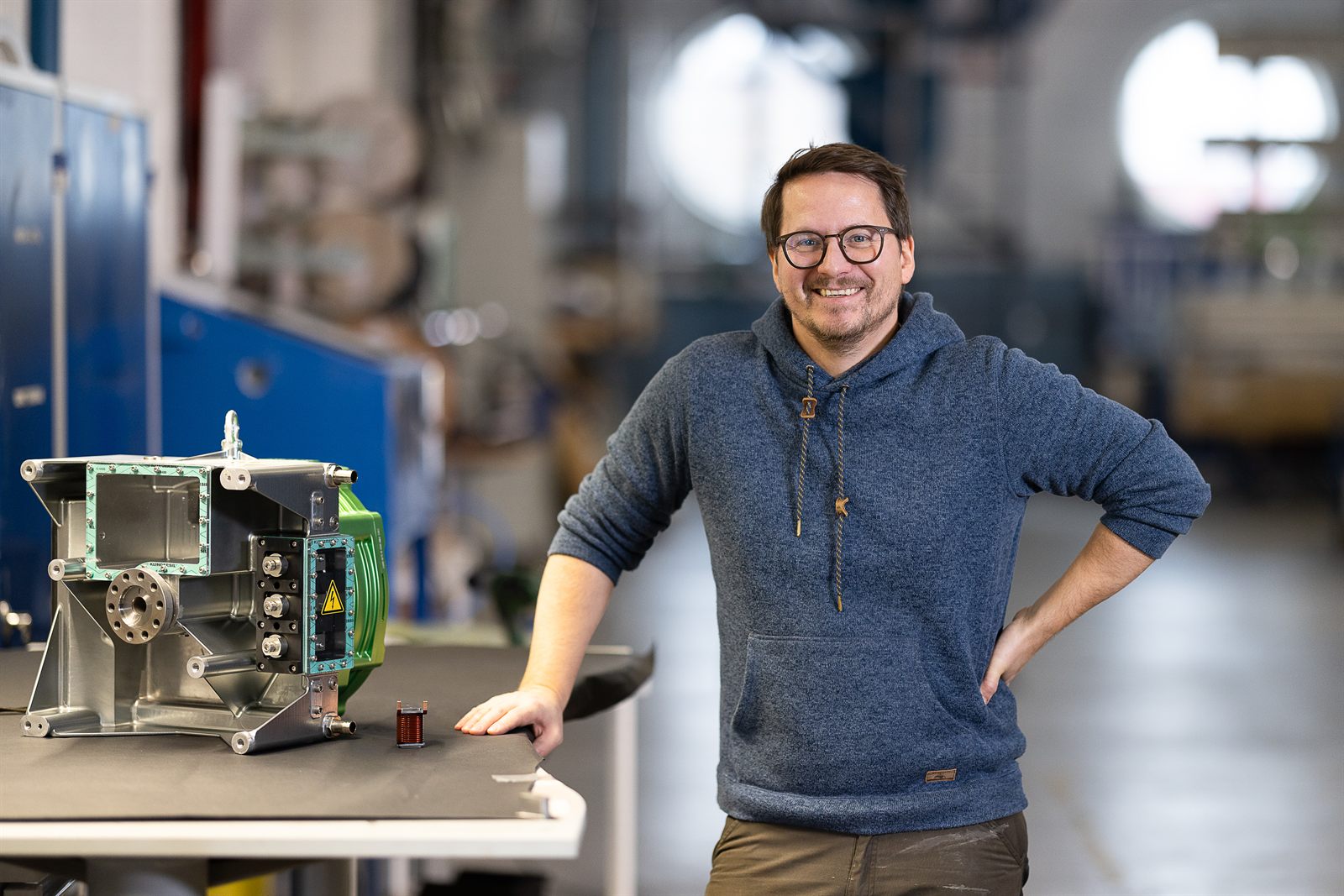
Alvier partnered with WAFIOS Aktiengesellschaft to manufacture winding coils using thin rectangular conductors, supporting improved copper fill factor, lower direct-current losses, better control of alternating-current losses, and effective direct oil cooling through a single-layer winding architecture.
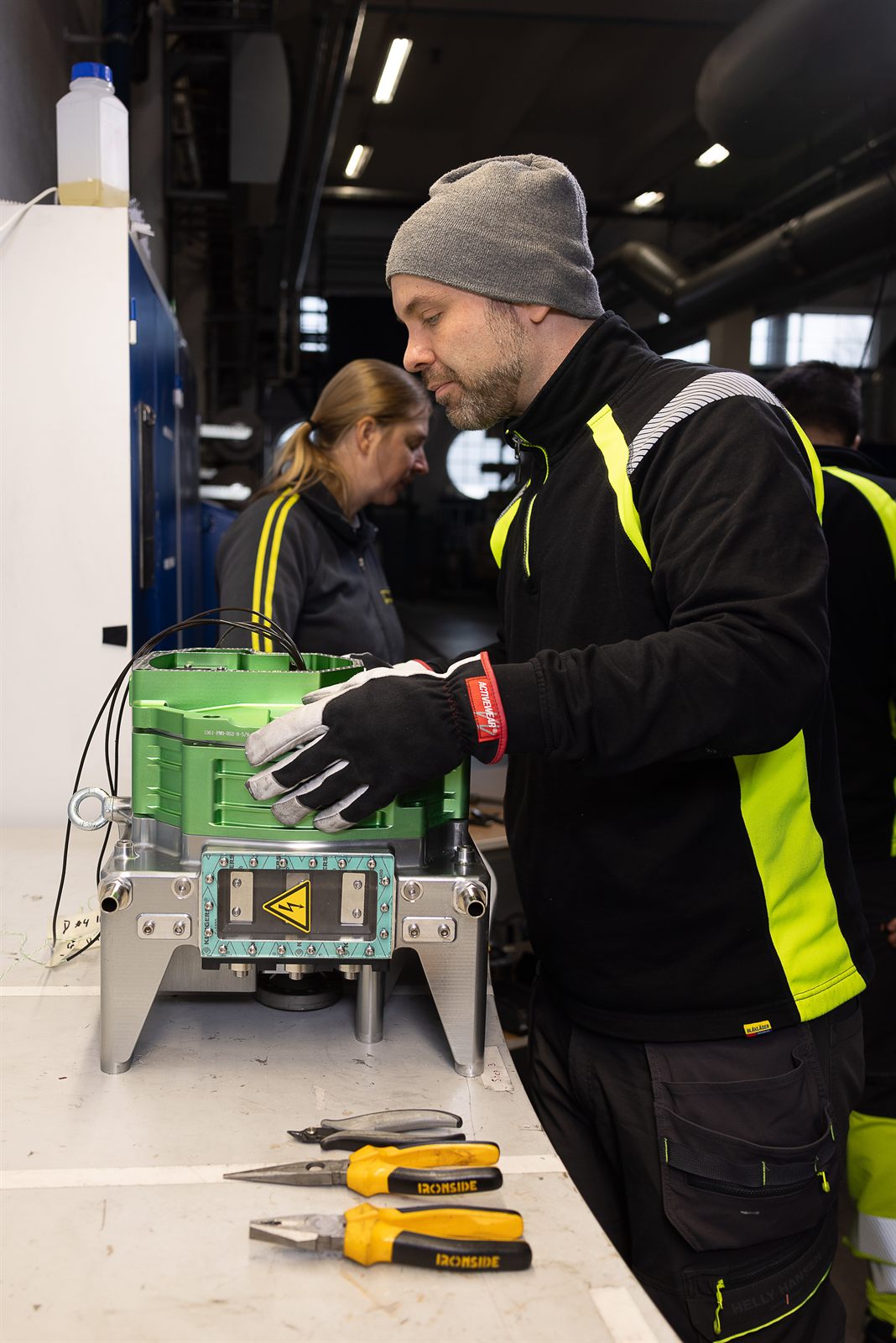
The project resulted in a physical machine, documented build processes, and a stronger internal capability base. An assembly instruction was developed, the build process documented in a build book, and practical infrastructure established in Pilot 12 in Helsingborg including tools, fixtures, safety equipment, and a hydraulic press.
Back electromotive force testing showed very good correlation with simulations, while static torque and peak-performance testing showed deviations requiring further analysis. A root-cause analysis was carried out covering current required to reach peak torque, maximum torque per ampere angle, efficiency, and torque or power at high speeds.
For Alvier, the value of iDS AX was not only the prototype itself. It was the knowledge gained through the full engineering loop: concept interpretation, mechanical design, thermal design, assembly planning, supplier collaboration, component testing, prototype build, machine testing, simulation correlation, and lessons learned.
The objective of establishing credibility for engineering services within traction-size axial flux machines was met or exceeded, supported by the data, hardware, and experience generated through the project. The objective of proving the benefits of SMC in such machines was only partially met. It showed that a traction-size axial flux machine with an SMC stator could be built and that testing confirmed the machine worked, but there were limited hard facts showing benefits versus conventional radial flux hairpin internal permanent magnet machines.
The iDS AX project demonstrates how Alvier supports customers working with advanced e-machine topologies: not by looking at one component in isolation, but by connecting performance, cost, weight, efficiency, durability, manufacturability, and sustainability into the same engineering decision process.
For customers exploring axial flux machines, the project shows the importance of early alignment between electromagnetic, mechanical, thermal, material, and manufacturing decisions. It also highlights why physical validation is essential: simulations can guide the direction, but measured results are needed to understand how the machine behaves in practice.